This article is part of a series where we explore the real questions people are asking about retirement living—the honest ones, the hard ones, and sometimes the uncomfortable ones. Rather than avoiding them, we believe in unpacking them, looking at them from different angles, and offering another perspective to help people make more confident, informed decisions.
For many people, choosing a retirement village is about enjoying life now while feeling more
secure about the future.
You may be independent, active, and have no immediate need for care. But knowing there is a care facility nearby can be a significant part of the appeal.
The assumption is understandable: if I need more help one day, I will be able to move there.
But is that necessarily how it works?
A Care Facility Nearby Does Not Automatically Mean a Bed Is Available
In a discussion with Aged Care Association New Zealand chief executive Tracey Martin, the hosts raise an important concern: the gap between the reassurance of a “continuum of care” and what residents may experience when they need it.
Martin describes situations where village residents have been unable to access a care bed when required. She explains that care facilities can also accommodate people coming through the public health system, creating competing demand for available places.
The discussion highlights why the presence of a care building alone does not answer the question families really need to ask: will I be able to access the right care when I need it?
For someone who chose a village partly for that reassurance, discovering that a suitable bed is unavailable can be deeply unsettling. It can also leave families facing decisions they thought they had already planned for.
What Does “Continuum of Care” Mean in Practice?

The phrase suggests a supported progression from independent living to higher levels of care as needs change.
But it is worth looking beyond the phrase and asking how that progression actually works.
- Are village residents given priority?
- Can the facility provide the particular level of care required?
- What happens if it is full?
- Who helps organise an alternative, and how would a move back be managed?
- Do they go on a priority waitlist until space becomes available?
These questions matter because care needs do not always change gradually. A fall, illness, or change in circumstances can bring the conversation forward much sooner than expected.
It is natural to assume that living in a village with a care facility on site means a bed will be available when needed. In reality, that may not always be the case. Understanding the arrangements in advance gives residents and their families a clearer picture of what to expect.
How the Care Pathway Works at Fairview Lifestyle Village
Fairview Care’s admissions policy prioritises residents of Settlers and Fairview Lifestyle Villages. Spouses of village residents are also given priority, recognising how important it is for couples to remain close.
If one spouse remains living independently in the village while the other requires a higher level of care, priority will be given to the spouse needing care when a suitable room becomes available at Fairview Care. Many couples have benefited from this arrangement, and knowing they can remain close to one another can be deeply reassuring and meaningful.
Admission remains subject to a suitable bed being available and Fairview Care being able to meet the person’s care needs. Preferential access does not guarantee immediate admission, but village residents receive preferential consideration when an appropriate bed becomes available.
Eligible residents may receive government funding towards their standard care costs, while premium room charges are paid privately.
Planning Ahead With Support
The connection with Fairview Care is about more than access to a care bed. It also means having people to talk to about changing needs before a move becomes urgent.
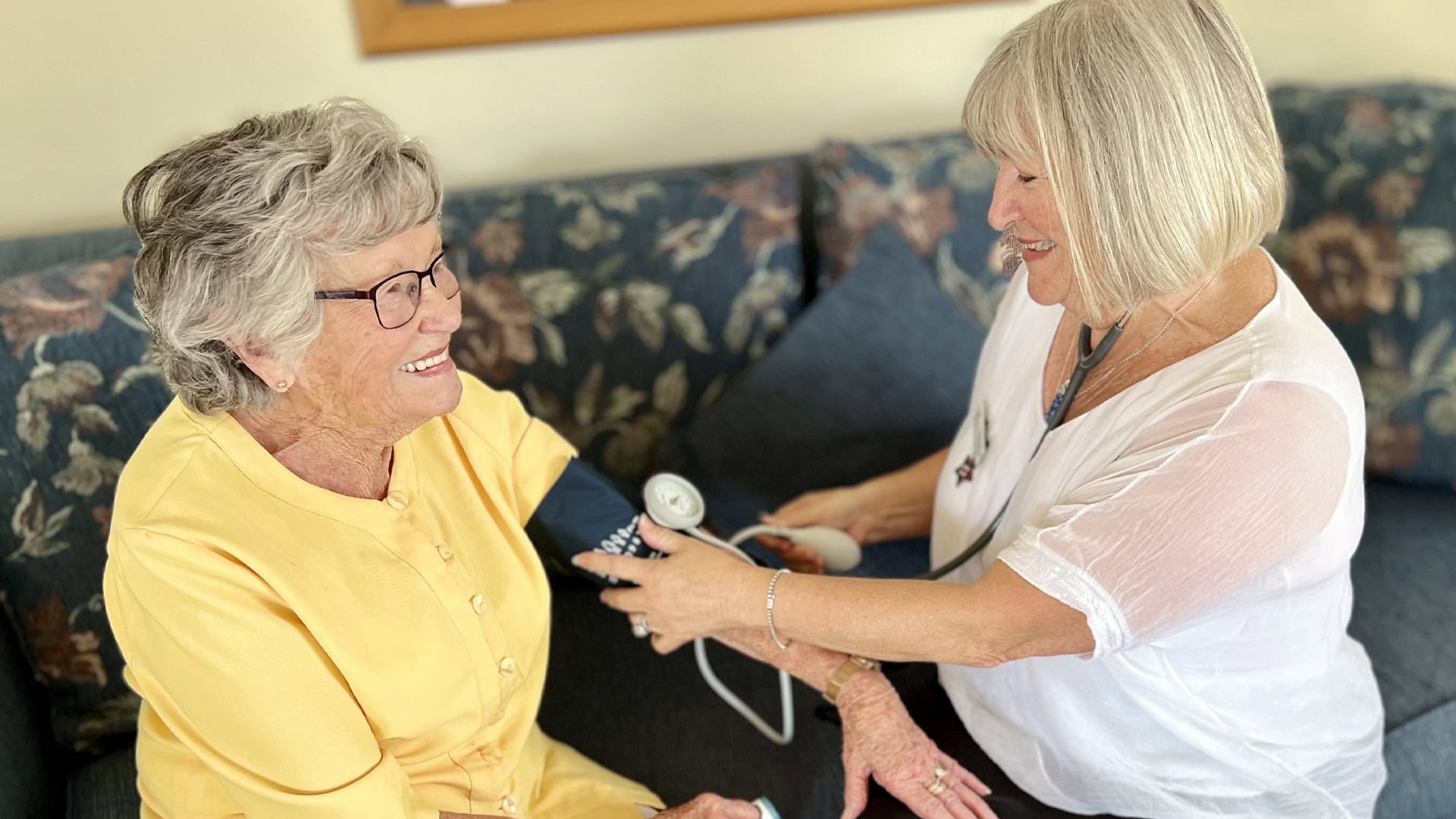
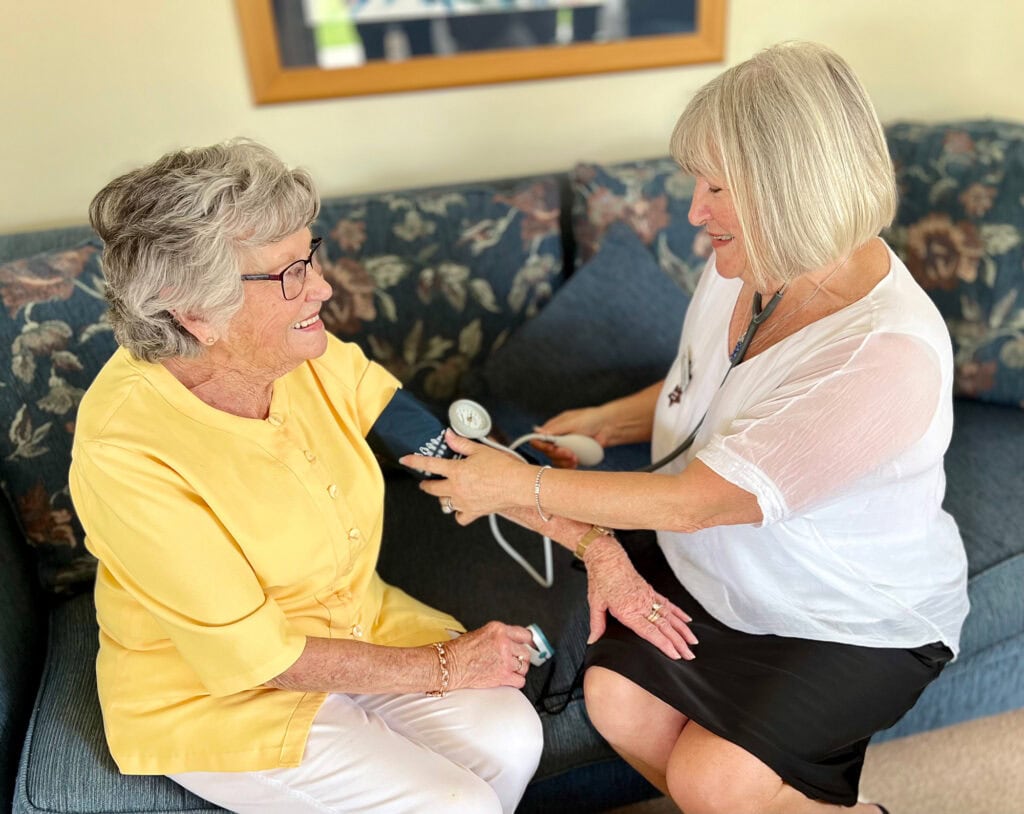
One of the benefits of living in Fairview Lifestyle Village is the close attention of staff and medical carers, who can help identify changes in residents’ needs early. If someone appears likely to need a higher level of care in the coming year, the team can work with them and their family to prepare for that next stage.
These early conversations give everyone time to explore the options, discuss preferences and plan a move to Fairview Care. Where arrangements allow, a place may be secured months before it is needed, helping make the transition smoother and more reassuring.
What Happens If Fairview Care Is Full?
If a resident needs care before a suitable place becomes available, the team would work with them and their family to arrange appropriate temporary care at a nearby facility.
The aim would be to move to Fairview Care when a suitable bed becomes available, provided it can meet the resident’s needs. An immediate place or a particular timeframe cannot be guaranteed.
That is an important part of explaining the pathway honestly: both the preferred next step and what happens if that step is not immediately possible.
Looking Beyond the Promise
When choosing a retirement village, it is natural to focus on the home, the facilities, and the lifestyle you can enjoy today.
But if future care is part of your decision, give that conversation the same attention. Ask how access works, what the limitations are, and what support you and your family would receive if circumstances changed.
For couples, this is also a conversation about staying connected. A nearby care option can help preserve regular visits and time together when one partner needs more support.
The reassurance comes from understanding the arrangements behind the words.
Before choosing your next home, ask: if I need care, what happens—and if the first option is unavailable, what happens next?
To explore what this could mean for you, talk to the Fairview Lifestyle Village team about its connection with Fairview Care.